Siemens Alarm F1000
Internal Software Error
This guide explains the likely meaning of Siemens F1000, first checks for maintenance teams, and when the unit should be sent for component-level repair.
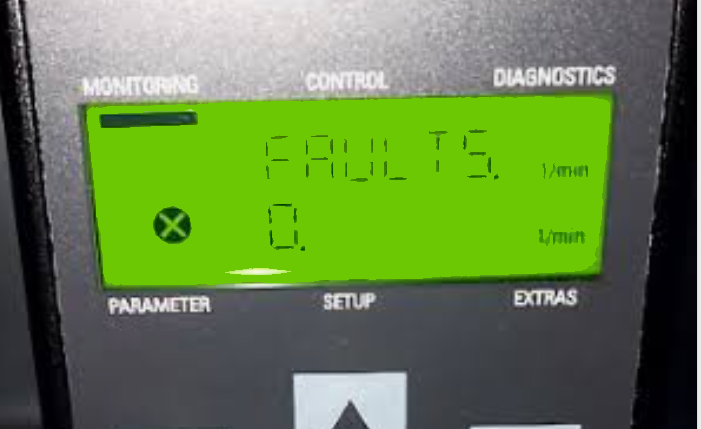
Trust Source for Siemens Alarm F1000
This page combines the alarm data available in the SES database with practical repair diagnostics. Manufacturer manual references can be added from the admin panel for this exact alarm.
What Siemens Alarm F1000 Usually Means
Siemens Alarm F1000 is a fault condition reported by industrial automation equipment. In a production machine, this alarm should be treated as a signal that the controller has detected an abnormal operating condition, protection trigger, feedback issue, load problem, or internal electronics fault.
The exact root cause depends on the model, application, wiring, motor/load condition, cabinet environment, and previous fault history. The goal is to separate a machine-side problem from a repairable board-level fault before replacing costly hardware.
For this type of alarm, the first diagnostic focus is usually control supply, power section, feedback circuit, communication interface, and machine-side wiring. SES Automations uses this information to decide whether the unit needs machine-side correction, board-level repair, or replacement support.
Common Symptoms
- The machine stops and displays Siemens Alarm F1000 during start-up, running, homing, indexing, or load change.
- The alarm may clear temporarily but returns when the industrial automation equipment is enabled again.
- Production may see intermittent trips, no-ready condition, unstable motion, communication loss, or repeated reset requests.
- If the same fault appears after wiring and parameter checks, internal electronics should be inspected instead of repeatedly cycling power.
What Not To Do
- Do not bypass safety interlocks or force the machine to run with an active alarm.
- Do not replace random boards without confirming power, motor, encoder, and communication conditions.
- Do not keep increasing current, torque, acceleration, or protection limits to hide the alarm.
- Do not send the unit for repair without recording the full model number and machine symptom history.
Quick Checks Before Repair
- Confirm input voltage and phase condition before restarting the machine.
- Inspect motor, encoder, communication, and control wiring for loose or damaged connections.
- Record the full model number, alarm history, and machine condition before clearing the fault.
- Avoid repeated power cycling if the same alarm returns immediately.
Likely Fault Areas To Separate
Before sending the unit for repair, separate the machine-side possibilities from electronics-side faults. This saves time and avoids replacing a good drive, PLC, HMI, or controller because of wiring, motor, load, or parameter issues.
Plant-Side Measurements
These checks help your maintenance team decide whether the alarm is caused by the machine, wiring, supply, motor, or connected load.
- Incoming supply voltage and phase balance
- Control supply and DC bus condition
- Terminal tightness, earthing, shielding, and connector condition
- Alarm history and fault timing under load, start, stop, or homing
Bench Diagnosis at SES
When the unit reaches our repair desk, the diagnosis is aimed at confirming the fault instead of replacing parts blindly.
- Visual inspection under magnification for burn marks, corrosion, dry solder, and contamination.
- Static checks on power devices, rectifier, braking path, and low-voltage supply rails where applicable.
- Signal-level checks on feedback, gate drive, current sensing, memory, and communication sections.
- Functional observation after repair to confirm that the same alarm does not return on bench test.
Possible Causes
Recommended Solution
- Perform a power cycle (OFF/ON).
- Update firmware to the latest version.
- If the error persists, replace the Control Unit.
Where This Alarm Commonly Affects Production
Industrial alarms like Siemens F1000 are usually urgent because one electronic module can stop the full machine. SES supports Indian and overseas plants that need quick guidance before choosing repair, replacement, or standby spare planning.
Information To Share Before Sending for Repair
For faster diagnosis of Siemens F1000, send the following information with the unit or enquiry. This helps avoid repeat testing and helps the repair team understand whether the alarm is likely machine-side or electronics-side.
- Brand and complete model number of the unit.
- Exact alarm code, display message, and when it appears.
- Machine application such as conveyor, spindle, axis, pump, packaging machine, robot, or panel control.
- Photos of the nameplate, terminals, damaged area, and connected motor or load if available.
- Any history of voltage fluctuation, water/oil contamination, overheating, previous repair, or cable damage.
When Component-Level Repair Is Needed
If Siemens Alarm F1000 returns after basic checks, the fault may be inside the control board, power section, feedback circuit, memory section, or communication interface. SES Automations can inspect the unit, identify failed components, and recommend repair or replacement based on cost and downtime.
Bench-level inspection and fault confirmation.
Component replacement, board repair, and cleaning where practical.
Functional checks before return dispatch.
SES Repair Workflow for industrial automation equipment
Incoming inspection
Physical damage, contamination, connector condition, burn marks, and smell check.
Electrical diagnosis
Input stage, DC bus, SMPS, control supply, feedback, communication, and output sections are checked based on equipment type.
Component-level repair
Failed components are replaced where practical; boards are cleaned, inspected, and rechecked before testing.
Functional testing
The unit is tested with suitable bench setup, signal simulation, load checks, and alarm observation.
Repair decision
SES advises repair, replacement, or standby spare strategy based on downtime, part availability, and failure risk.
How To Reduce Repeat Faults
- Keep cabinet cooling fans, filters, and heat sinks clean to reduce thermal stress.
- Check earthing, shielding, and cable routing for encoder, motor, and communication lines.
- Protect drives and controllers from moisture, conductive dust, oil mist, and loose metal particles.
- Record alarm history before clearing faults so repeat failures can be diagnosed faster.
Related SES Resources
Use these pages to compare repair options, brand support, and equipment-category guidance.
Related Siemens Alarm Pages
These related fault-code guides can help when the same machine shows multiple alarms or a previous alarm changes after reset.
Frequently Asked Questions
Can Siemens Alarm F1000 be fixed by parameter reset?
Sometimes a parameter, wiring, or load condition can trigger the alarm. If the fault returns immediately after safe checks and correct settings, the unit may need component-level diagnosis.
Should I replace the complete industrial automation equipment?
Replacement is not always necessary. For obsolete or expensive units, repair can reduce downtime and preserve machine parameters, provided the connected machine-side cause is also corrected.
What should I send with the faulty unit?
Send the full model number, alarm code, fault timing, machine application, photos, and any history of voltage, moisture, overheating, overload, or previous repair.
Still seeing Error F1000?
If the troubleshooting steps above didn't resolve the issue, your Siemens hardware likely has a component failure.